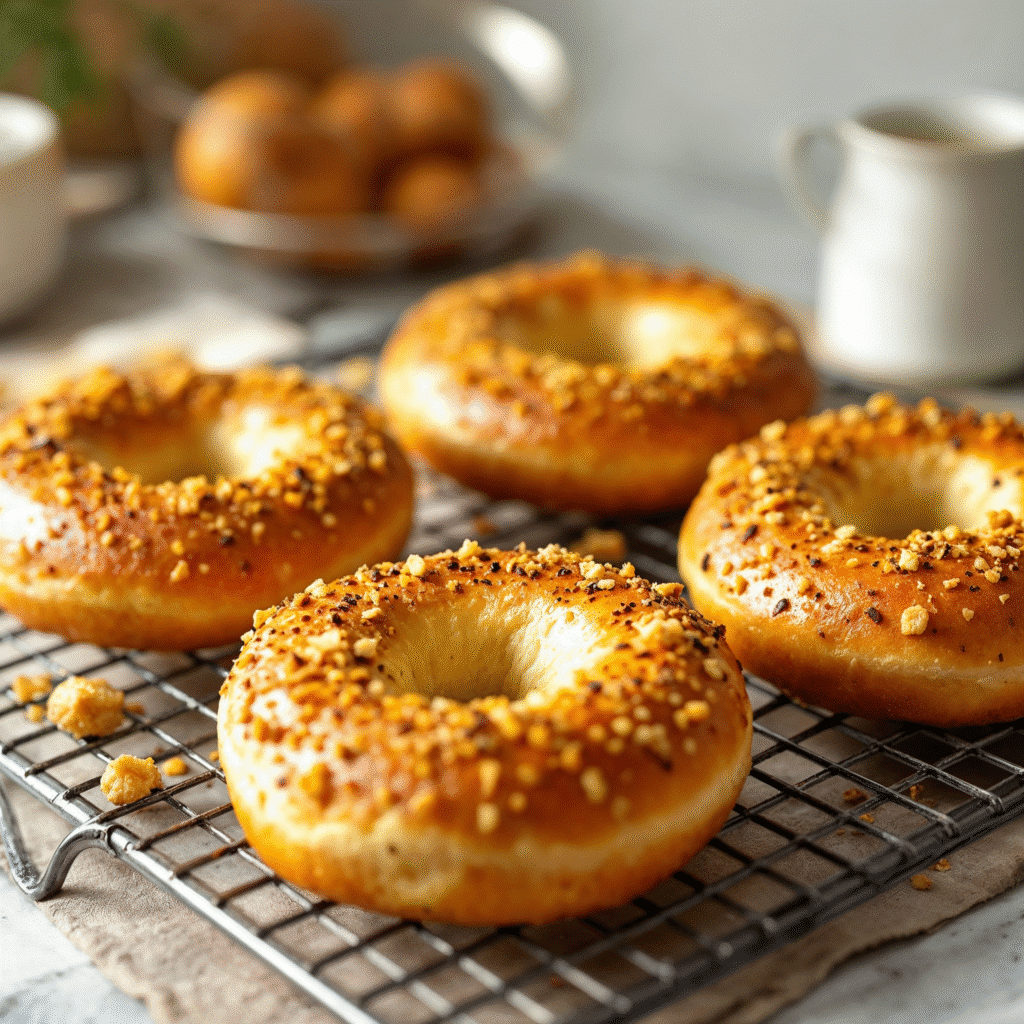
We all have that food memory that just sticks with us, right? Mine involves Saturday mornings, a truly massive bowl of hot Louisiana grits, and the aroma of fresh-baked bread. However, the real star wasn’t the biscuits or the toast. It was always the bagel. It’s got that chewy exterior and that wonderful soft interior that instantly transports you. As a flavor-chaser, I’ve often found myself on the endless quest for the perfect vegan keto bagel recipe, especially as my obsession with whole ingredients grew.
I remember when my little brother first went keto and practically swore off all bread. He looked lonely! Watching him miss out on a simple bagel with cream cheese just didn’t sit right with me. I got rebellious in the kitchen and decided he—and everyone else following this lifestyle—deserved better than those flat, feeble imitations. You shouldn’t have to choose between your health goals and something as delighted as a vegan keto bagel.
That kitchen experiment turned into an urgent mission. We tried almond flour, coconut flour, and all the binders you can imagine. We had some truly odd failures and some surprising successes. But finally, the day arrived: I pulled a batch of plump, golden rings out of the oven that had the perfect chew. When he took that first bite, his face just lit up. Suddenly, the challenge was over. This vegan keto bagel recipe isn’t just a low-carb alternative; it’s a powerful affirmation that you can have real, delicious, satisfying food while sticking to your plan. This is the one.
Table of Contents
The Flavorful Story Behind the Vegan Keto Bagel
The Shocking Truth About Bread Cravings
You know that primal obsession you feel when you smell fresh bread? It’s real. Bread is a true comfort food that ties into so many of our great memories. The issue arises when we realize the typical main ingredients don’t align with a low-carb, plant-based diet. People often feel tired of only seeing dairy-based keto recipes, which creates an unnecessary pitfall. We’re here to prove those cravings don’t have to lead to a compromise. This vegan keto bagel recipe uses simple ingredients to deliver that genuine bread experience you miss. We achieve the necessary gluten-like structure not with wheat flour, but with the magic of plant-based binders.
Why This Vegan Keto Bagel is Your New Breakfast Obsession
This recipe is about reclaiming your breakfast and proving that “low-carb” does not mean “low-flavor.” It’s a breakthrough because it achieves the impossible: a true bagel texture without the guilt. By skipping the yeast and the long proofing times, we make this a timely and quick bake. You see, the traditional bagel uses a yeast dough and a boiling process for that signature crust. We skip the lengthy wait but keep a simple boiling step to create that slightly crisp exterior. Furthermore, the ingredients we use, like psyllium husk, offer amazing digestive benefits. It’s a triple win: it’s vegan, it’s keto, and it tastes sensational. This vegan keto bagel is your personal victory over boring low-carb food
Essential Ingredients for the Perfect Low-Carb Dough
Creating a vegan keto bagel that truly delivers on taste and texture requires choosing the right MVP ingredients. We’re not using any weird fillers here; this is all about high-quality, plant-based magic. Forget about traditional bread flour, which makes a low-carb diet impossible. Instead, we use a combination of low-carb flours and powerful binders to mimic that glorious gluten structure. This combination is key to giving the bagel that essential chewiness without the carbs. You’ll find these ingredients easily, and they are an excellent investment for anyone pursuing a keto lifestyle. You don’t need a stand mixer or complicated steps, just a bowl and a little elbow grease.
The Strong Trio: Psyllium, Flax, and Almond Flour
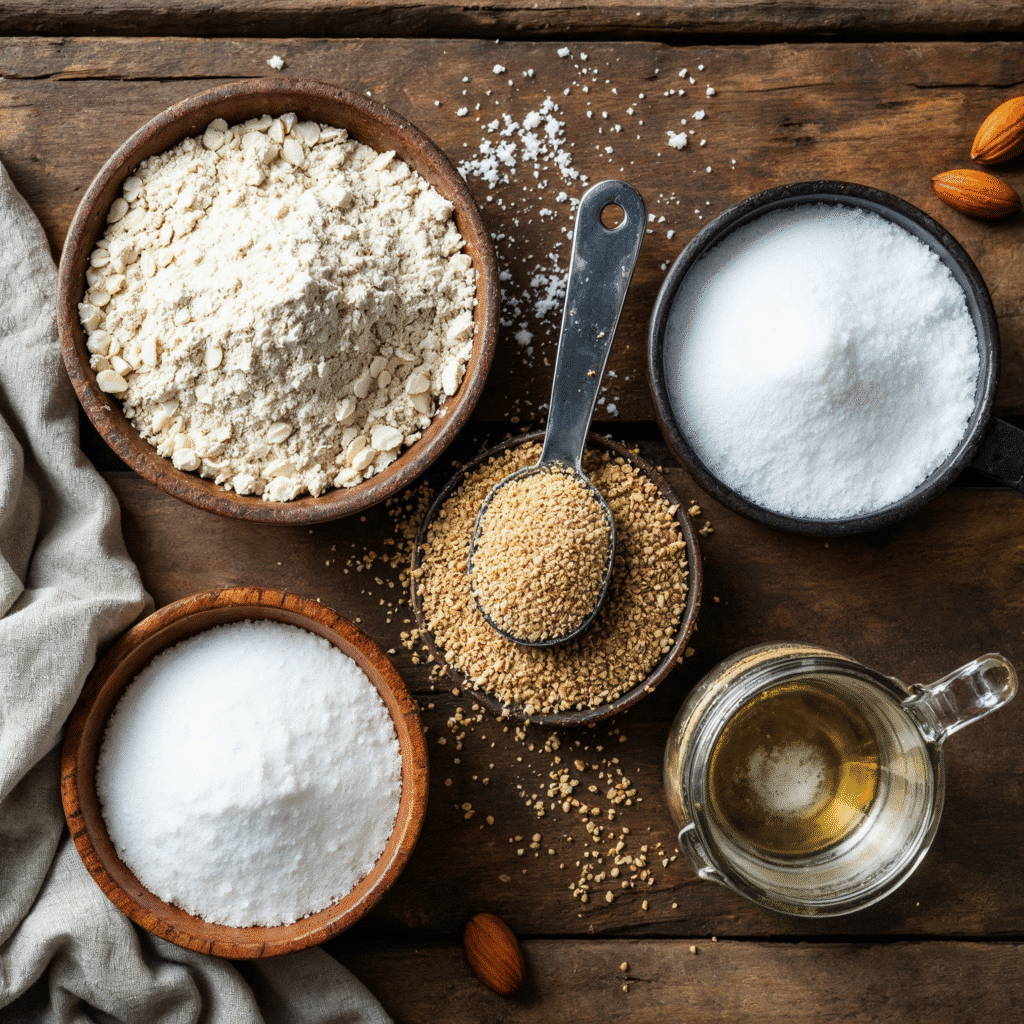
The secret to our vegan keto bagel recipe lies in a trio of ingredients that work together for structural survival. First, we have almond flour, which forms the bulk of the dough, giving it a subtle, nutty richness. Make sure you grab the super-fine variety for the best results. Second is ground golden flaxseed, which adds fiber and a slight density, helping the dough hold its shape. However, the true revolutionary player here is psyllium husk powder.
This fiber colossal absorbs liquid, creating a thick, sticky, gel-like substance that perfectly replaces gluten, which is important for a dough that you can actually shape and boil. Without it, your bagels would be flat and feeble. Together, this trio ensures your dough is sturdy and easy to handle. If you’re always looking for new ideas, be sure to check out our collection of keto recipes for more inspiration.
Simple Swaps for Flavor and Texture
We believe cooking should be easily accessible and fun, so we like to keep the ingredient list simple. We skip the dairy, replacing traditional cream cheese used in other keto bagel recipes with a delicious blend of tahini and water. This adds a slight richness and helps bind the mixture without adding any carbs or dairy. For leavening, we rely on baking powder, which gives the bagel a nice lift without the need for yeast or rising time.
For flavor, you can always add some onion powder or garlic powder right into the dough. Furthermore, a touch of apple cider vinegar in the liquid helps activate the baking powder and reacts with the psyllium to improve the texture and rise. You might also want to explore our gluten-free baking secrets to learn about other flour substitutes that can transform your low-carb desserts.
| Ingredient | Role in Vegan Keto Bagel | Why It Works (Keto/Vegan) |
| Almond Flour | Bulk/Structure | Ultra-low carb, grain-free |
| Psyllium Husk | Gluten Replacement | Fiber-rich binder, zero net carbs |
| Golden Flaxseed | Density/Fiber | Adds texture and healthy fats |
| Tahini | Binding/Richness | Plant-based fat, replaces dairy/eggs |
| Baking Powder | Leavening | Provides quick rise without yeast |
Crafting Your Vegan Keto Bagel Dough: Step-by-Step
You’re now ready to move from ingredients to actual dough, and this is where the magic happens. Don’t be intimidated; the process is surprisingly simple. The key to success with this vegan keto bagel recipe is to trust the process, as the dough will transform from a sticky mess into a workable ball very quickly. You won’t have to wait for an hour for the dough to proof. We are using a different process than the yeast-based ones, which makes this so much faster.
Mastering the Dough: Kneading and Rest Time Secrets
First, combine all the dry ingredients: the flours, psyllium, flax, baking powder, and salt. Whisk them until they are completely mixed. Then, create a well in the center. Next, combine the wet ingredients: tahini, warm water, and vinegar. Pour the wet mixture into the dry ingredients and mix with a spatula or your hands until a shaggy dough forms.
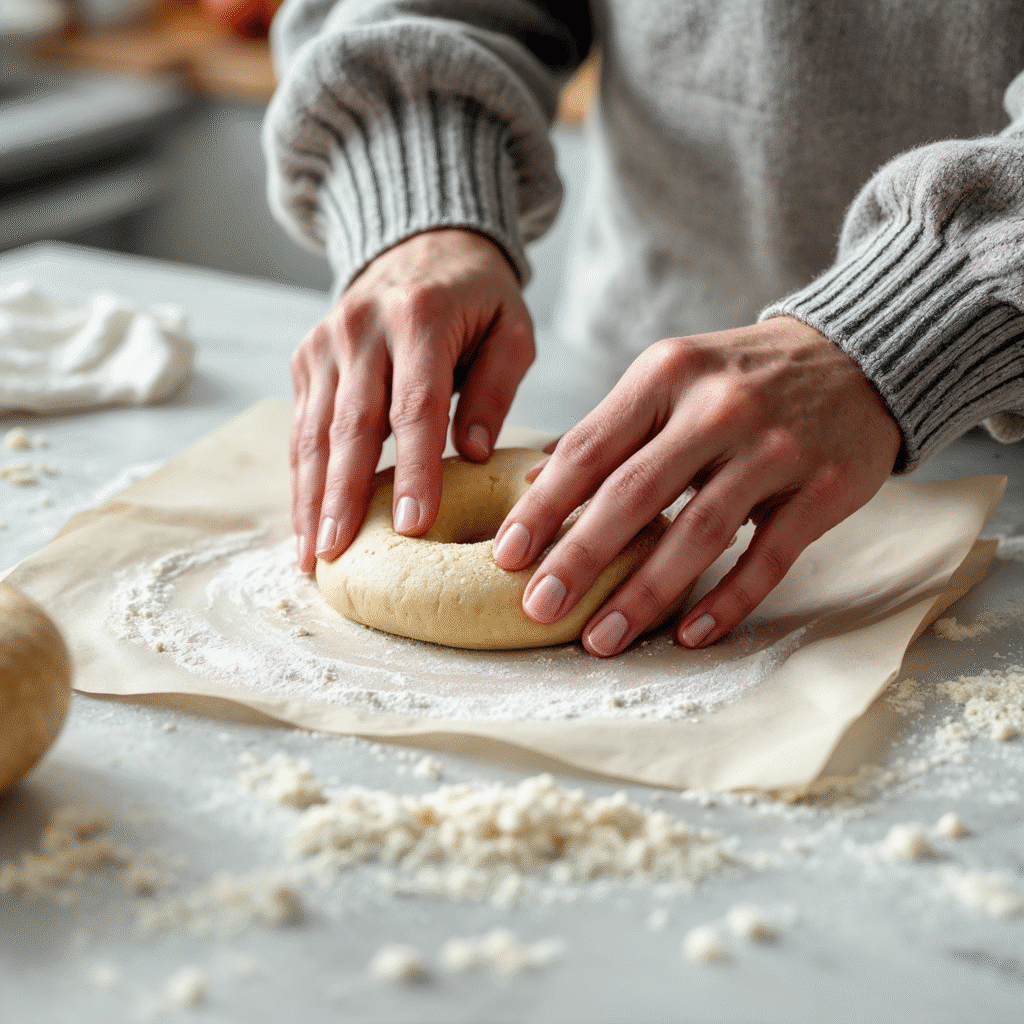
You’ll notice the psyllium husk starts to absorb the liquid immediately, so don’t hesitate. Once combined, knead the dough briefly on a piece of parchment paper—just enough to form a smooth ball. This dough doesn’t require the mammoth kneading time of a traditional bagel. Then, this is the most important step: let the dough rest, covered, for exactly 10 minutes. This allows the psyllium to fully hydrate and creates the ultimate workable, clay-like consistency. For more quick and easy options for your plate, explore our quick weeknight dinners.
| Step-by-Step | Time Estimate | Key Action |
| 1. Mix Dry | 2 minutes | Whisk all powders thoroughly. |
| 2. Combine Wet | 1 minute | Mix warm water, tahini, and vinegar. |
| 3. Form Dough | 3 minutes | Mix until shaggy, then briefly knead. |
| 4. Rest | 10 minutes | Mandatory rest for psyllium hydration. |
| 5. Shape | 5 minutes | Divide and shape rings. |
Shaping and Seasoning for Maximum Quality
After the dough rests, it’s time to shape your beautiful vegan keto bagel rings. Divide the dough into six equal pieces. You can roll each piece into a small ball and then poke a hole in the center with your thumb, gently stretching the hole outward to create a classic bagel shape. You could also roll each piece into a short, thick rope and then pinch the ends together to form a ring. Alternatively, you can use silicone donut molds for a perfectly uniform shape, which is a great simple hack.
Next, prepare a pot of boiling water with a teaspoon of baking soda. This bath, even without traditional yeast and sugar, helps set the exterior and gives that sought-after chewiness. Gently boil each bagel for 30 seconds per side. After the bath, place them on a parchment-lined baking sheet and brush with a little plant milk for a golden finish. Finally, sprinkle them lavishly with your seasoning of choice—everything bagel seasoning, sesame seeds, or just a little sea salt.

Baking and Serving Your Vegan Keto Bagel Masterpiece
The moment you’ve been waiting for is here. Your carefully crafted rings are ready to go from raw dough to a genuine bread substitute. This section covers the final two steps: the baking itself and the best ways to enjoy the fruits of your labor. The oven heat will give the vegan keto bagel its final, satisfying rise.
The Quick Baking Process: From Oven to Table
Preheat your oven to 375°F (190°C). Bake your bagels for 20 to 25 minutes, or until they look deeply golden brown. Because of the nature of the flours, they won’t brown quite as dramatically as a wheat bagel, but they will be sturdy and sound hollow when tapped. Always watch your oven, as baking times can vary slightly.
Once they’re baked, the most crucial step remains: let them cool completely on a wire rack. This is vital! Cutting into a hot low-carb bagel can make it gummy inside, so give them at least 30 minutes to cool and set their structure. This simple step ensures you get the ultimate chewy texture. If you’re looking for other ways to boost your morning nutrition, you might find our easy breakfast ideas particularly helpful.

Exciting Ways to Top and Fill Your Bagel
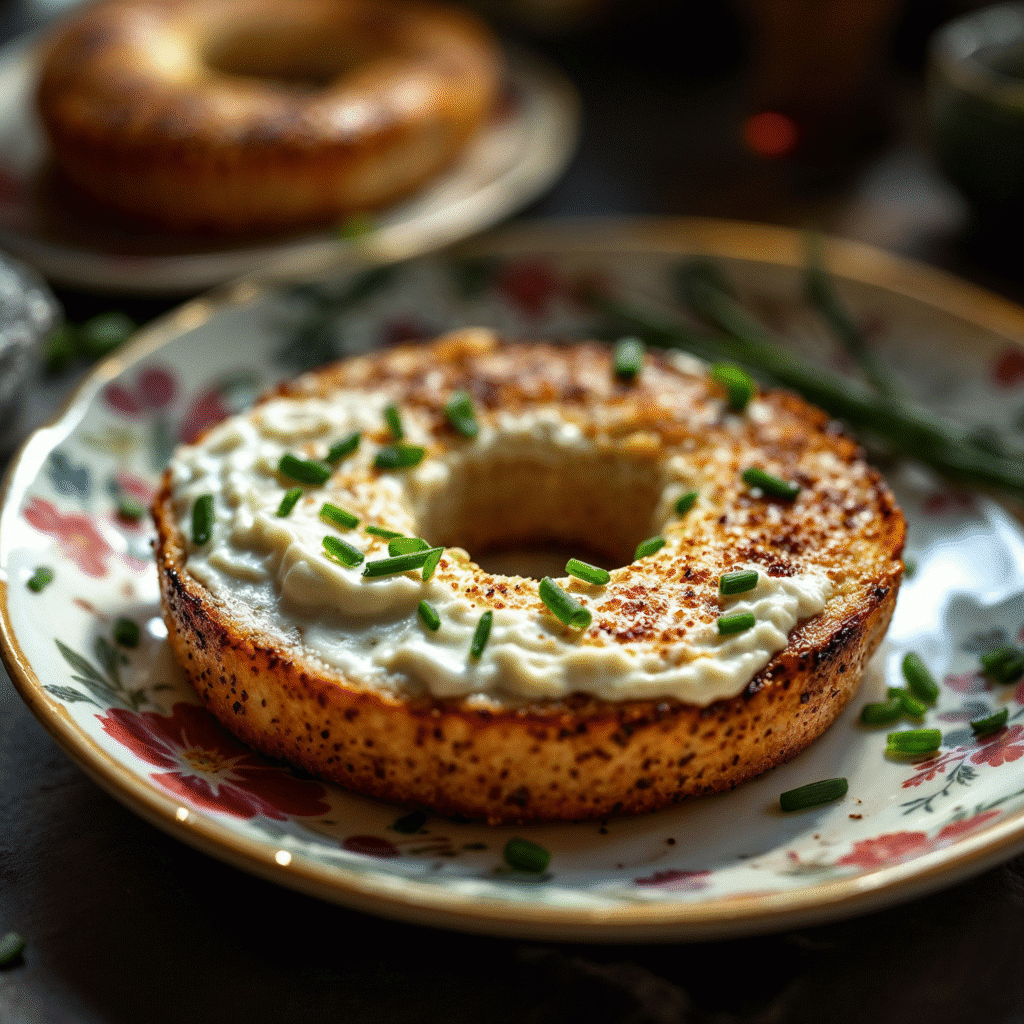
Your homemade vegan keto bagel is the perfect canvas for flavor. Skip the standard dairy cream cheese and embrace plant-based spreads. A simple cashew cream cheese (blended soaked cashews with lemon juice and salt) is a remarkable alternative. You could also spread it with our simple homemade avocado-lime spread for a pop of freshness.
You might want to serve it open-faced with some sliced cucumbers, fresh dill, and a slice of smoky tempeh bacon. This makes a truly amazing breakfast sandwich. To save your hard work for later, these bagels are reliably good when stored in an airtight container at room temperature for up to three days, or they freeze excellently for long-term use. For a fresh twist on flavor, why not consider browsing our flavor-boosting spices?
FAQs
Can I use whole psyllium husks instead of powder in the vegan keto bagel recipe?
No, you really shouldn’t. Using whole husks instead of the fine powder will result in a much different and often grainy texture. The powder is superior because it absorbs water more completely, which creates the smooth and chewy dough structure we need for this specific vegan keto bagel recipe.
How do I store these keto bagels and keep them fresh?
Once the bagels cool completely, store them in an airtight container at room temperature for up to three days. For longer storage, you can slice them first and then freeze them in a freezer bag. Just take out a slice and toast it when you want a quick and easy snack.
What makes this bagel vegan AND keto-friendly?
This bagel is vegan because it uses only plant-based ingredients, skipping eggs and dairy. It’s keto-friendly because it swaps high-carb wheat flour for low-carb almond flour and relies on psyllium husk for structure, drastically reducing the net carb count.
Can I add sweet flavors like cinnamon or blueberries to this recipe?
Absolutely! You can easily make a sweet version of this vegan keto bagel. Simply add 1-2 tablespoons of a keto-friendly sweetener (like erythritol or monk fruit) and a teaspoon of cinnamon to the dry ingredients. You can also fold in 1/4 cup of fresh or frozen low-carb berries like blueberries after the dough has rested.
Conclusion
Finding that dependable bread replacement on a vegan keto diet doesn’t have to be a nightmare. This vegan keto bagel recipe proves you can have the rich, chewy texture you crave without compromising your goals. We’ve eliminated the guilt and the long waiting times by focusing on a few amazing plant-based MVP ingredients. Whether you enjoy them topped with savory avocado or a sweet cashew cream, these bagels are a wonderful and reliable win for your table. Go ahead and start mixing; your next food crush is waiting!
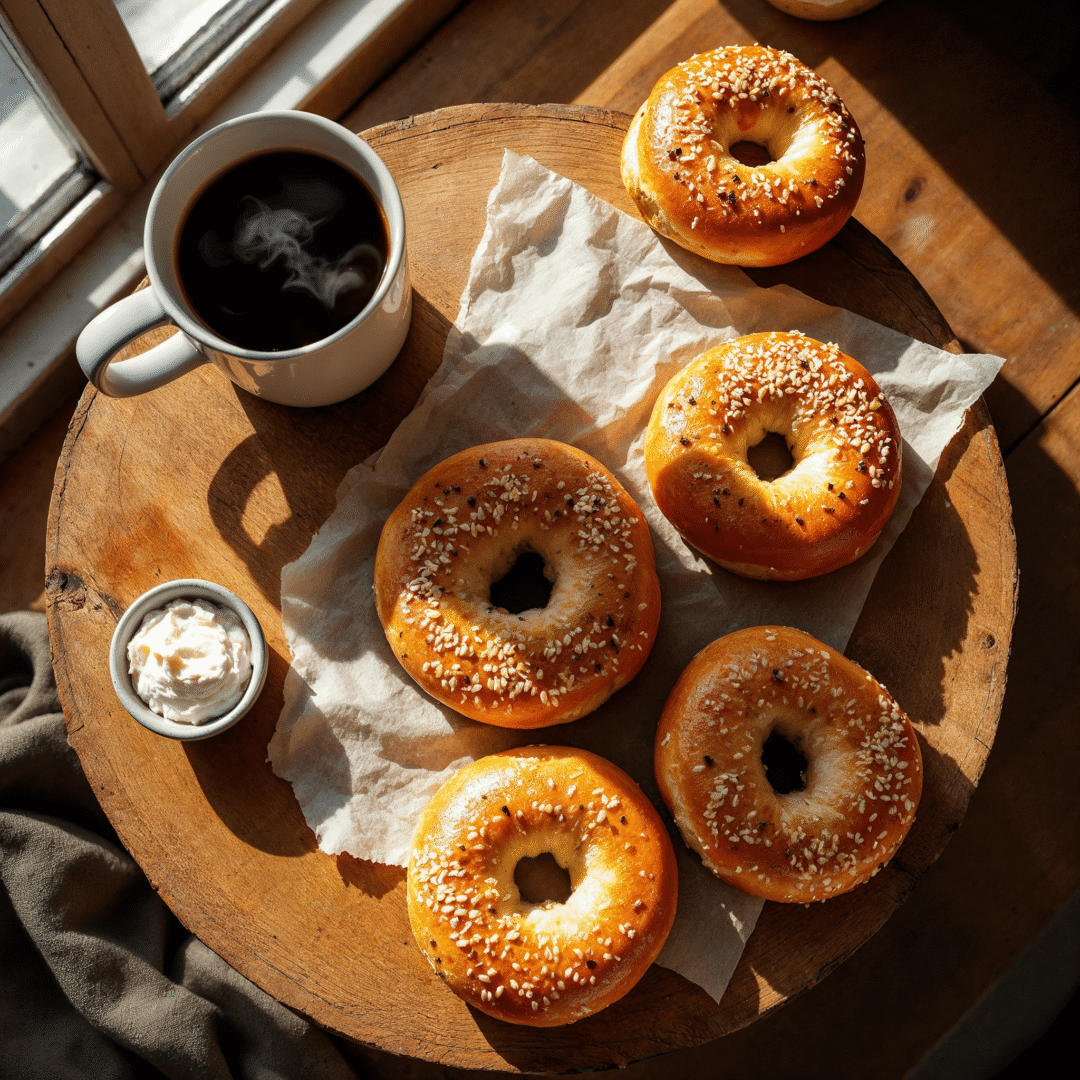
The Ultimate Vegan Keto Bagel Recipe Card
Ingredients
Equipment
Method
- Preheat your oven to 375°F (190°C) and line a baking sheet with parchment paper. Whisk together the almond flour, psyllium husk, flaxseed, baking powder, and salt thoroughly in a large bowl.
- Combine the warm water, tahini, and apple cider vinegar in a separate bowl. Pour the wet mixture into the dry ingredients and mix until a shaggy dough forms. Knead it briefly for about one minute and cover the dough.
- Let the dough rest for 10 minutes, allowing the psyllium to fully hydrate. Divide the dough into 6 equal pieces and roll each into a ball. Poke a hole in the center of each ball, stretching it gently to form a bagel shape.
- Bring a pot of water to a boil and add 1 teaspoon of baking soda. Boil each bagel for 30 seconds per side. Transfer the boiled bagels to the prepared baking sheet.
- Brush the bagels with plant milk and lavishly sprinkle them with your choice of seasoning. Bake for 20-25 minutes, or until deeply golden. Let the bagels cool completely on a wire rack before slicing and serving.
Notes
Flour Texture: Use fine almond flour for the smoothest result. Coarser almond meal can alter texture.
Sweet Option: For a sweet bagel, add 1–2 tablespoons of erythritol or monk fruit sweetener and 1 teaspoon cinnamon to the dry mix.
Texture Tip: Do not skip the resting time; it ensures the bagel dough becomes elastic and shapeable.
Topping Ideas: Serve with vegan cream cheese, avocado spread, nut butter, or fresh herbs.
Boiling Tip: Avoid overcrowding the pot; boil in batches of two for best results.
Tried this recipe?
Let us know how it was!Check Our Recipe on Pinterest !