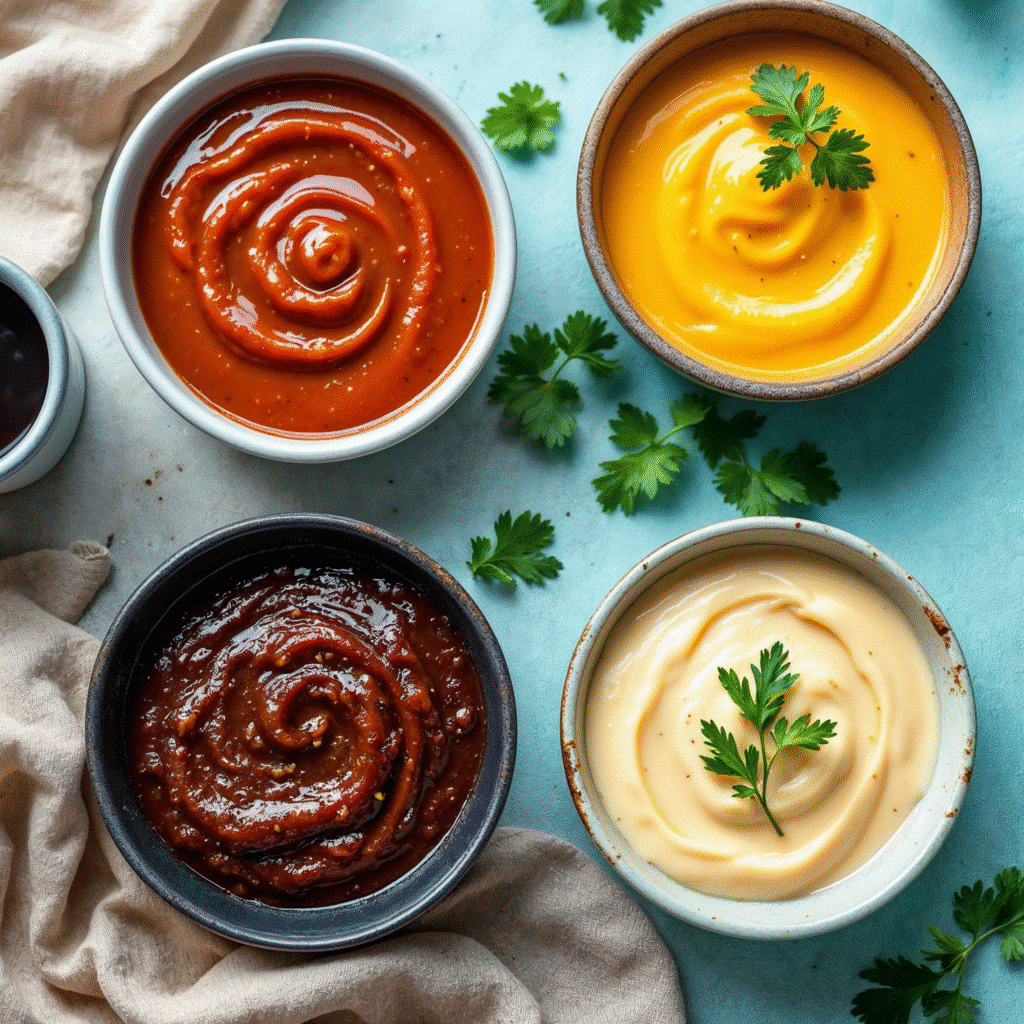
The popularity of Vegan Sauces absolutely surged in the past few years, marking a great moment for home cooks everywhere. These flavorful additions prove that plant-based eating certainly does not mean sacrificing taste. They transform simple ingredients into something remarkable. This guide helps you successfully create amazing, dairy-free, and meat-free condiments right in your kitchen.
Table of Contents
Introduction
Hey there! I’m Karen , and I truly love food. Food tells a wonderful story, one that connects us all. My own food journey began like many others, full of confusion and frustration in the kitchen. I certainly remember years ago trying to figure out how people managed to create a restaurant-quality meal at home. For a long time, I did not think a home cook could compete with professional chefs, yet I completely reversed my viewpoint. I realized one essential fact: flavor rules.
You simply must find the single ingredient that can change the entire dish. I call this the Most Valuable Player, or MVP, idea. This entire “Top Ingredient” philosophy rests on this very principle. You certainly gain immense knowledge through this process. You do not need a pantry crammed full of obscure items. You just need that one vegan sauce ingredient that makes the difference. This discovery truly changed my approach to cooking and completely changed my life. Now, I dedicate my time to sharing this simple secret with my growing community.
I often hear the biggest challenge facing people new to plant-based meals involves missing traditional sauces. Many familiar Vegan Sauces recipes rely completely on meat stock, eggs, or dairy products for texture and deep flavor. People miss that smoky richness from barbeque sauce or the savory depth of an Asian-style dipping sauce. We definitely solve that problem here. This essential Vegan Sauces guide proves the truth: flavor certainly wins without compromise.
This pillar article quickly introduces you to four foundational flavor-bombs, allowing you to instantly begin crafting incredible meals. You quickly transition from thinking about ingredients to thinking about flavor profiles. Furthermore, mastering these fundamentals makes adding complexity simple; for example, soon you effortlessly prepare beautiful plant-based dessert coatings. You quickly learn Mastering Plant-Based Recipe when you master these core sauces. I certainly show you how to take simple pantry staples and perform a truly amazing, delicious food transformation. You certainly must learn these core vegan sauce recipes today. They represent the single most important cooking knowledge you gain in the kitchen.
Crafting Authentic Vegan BBQ Sauce
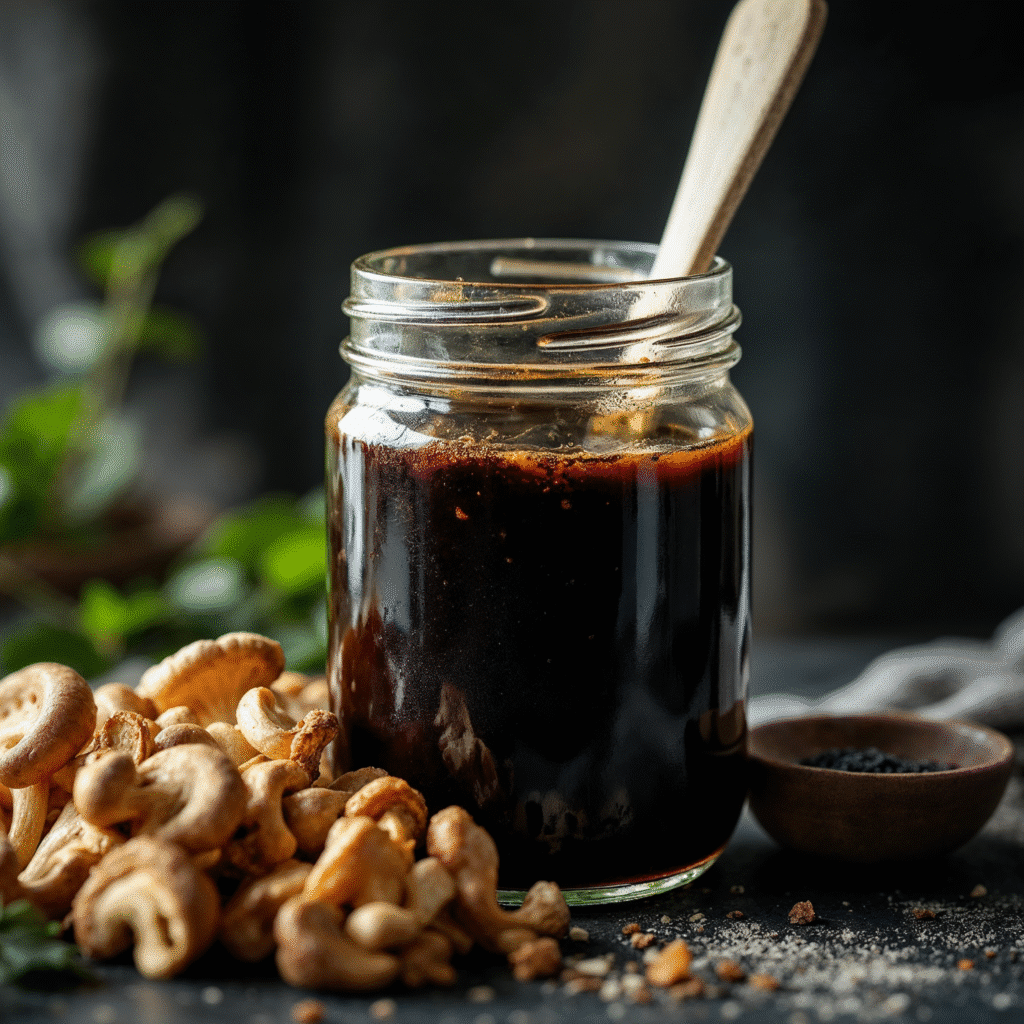
Barbeque sauce truly defines American regional cooking, featuring a complex flavor profile that successfully marries smoke, sweetness, and tang. Consequently, successfully transforming this deeply loved classic into a vegan bbq sauce presents a fun challenge. Many commercially produced vegan sauces hide anchovy paste or Worcestershire sauce (which contains anchovies) in their recipes.
Therefore, we must focus on substituting those non-vegan ingredients with simple, plant-based alternatives that bring a comparable depth of flavor. This powerful approach concentrates on constructing rich layers that mimic the complexity of slow-cooked meat drippings and powerful umami bases. We certainly rely on easily found kitchen essentials and specialized flavor agents to achieve this deep, satisfying taste. Making homemade vegan bbq sauce instantly gives you a versatile tool for creating incredible meals.
Building a Smoky-Sweet Base
The ideal vegan bbq sauce starts with tomatoes, naturally, yet tomato paste alone lacks that necessary smoky foundation. Many people wisely turn to liquid smoke for an authentic, intense flavor. You use liquid smoke sparingly, since it tastes powerfully strong. Furthermore, blackstrap molasses perfectly replaces the darker caramel notes commonly found in traditional versions. Molasses also provides a rich color and thick consistency. To introduce a surprising element of deep savoriness, add a touch of tamari or coconut aminos, carefully avoiding too much salt.
Finally, brown sugar or maple syrup provide the sweet balance that a truly sensational vegan sauce requires. Remember, tasting constantly allows you to perfectly match the sweet and smoky elements. You truly must aim for a blend that sings of backyard grilling, even if you cook inside. Try incorporating some freshly ground chipotle powder for added warmth and powerful complexity. This step alone significantly impacts the final result.
Using Natural Thickeners for Texture
Achieving the right texture really matters for any successful vegan bbq sauce. A watery sauce completely runs off your food; conversely, a thick paste quickly glues itself to the grill. Achieving a thick, luscious consistency without corn syrup or animal fat involves clever thickening techniques. You certainly could use tomato paste, letting it reduce naturally on the stovetop. This method certainly adds flavor while simultaneously improving the texture. Moreover, you easily produce an excellent result by whisking in a small amount of arrowroot powder or cornstarch mixed with cold water to a simmering vegan sauce.
This slurry instantly transforms the thin liquid into a rich, velvety condiment. Another valuable tip involves incorporating roasted red peppers. These peppers blend smoothly into the sauce, boosting both color and needed thickness. Furthermore, remember adding a touch of white vinegar after thickening perfectly balances the heavy sweetness. This acid brightens the entire profile, making the final vegan bbq sauce taste robust and wonderfully fresh . This simple step truly transforms the end product, demonstrating the quick power of tiny adjustments in the kitchen. Learning this balancing act certainly helps craft all your plant-based dips.
Decoding the Umami in Vegan Hoisin Sauce
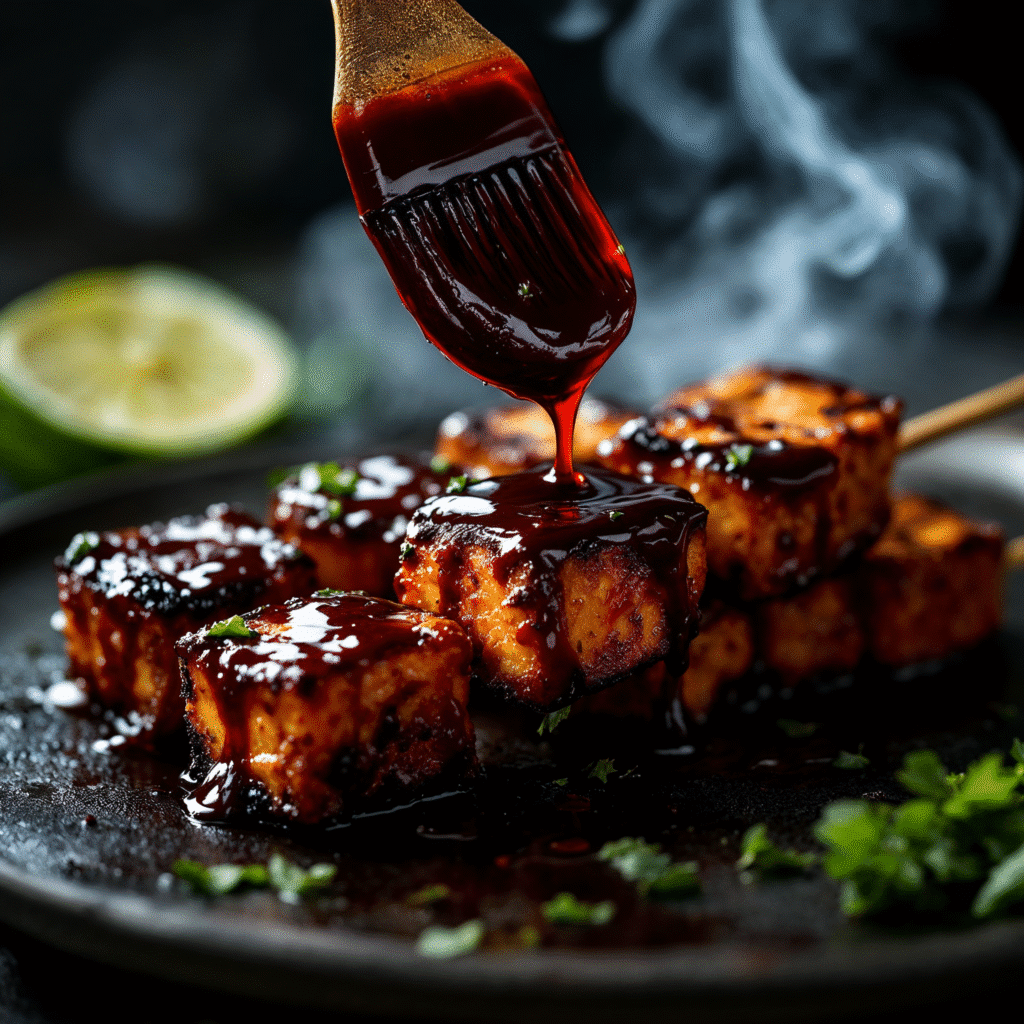
Hoisin sauce delivers that famously complex, savory, and sweet flavor dominating much of Asian-style cooking. The taste instantly deepens stir-fries, acts as an amazing glaze for tofu, or serves as a truly delightful dipping vegan sauce. Naturally, traditional hoisin sauce depends completely on fermented soybeans, which certainly create a potent umami base. Replicating this depth of flavor in a vegan hoisin sauce demands careful selection of plant-based fermentables and precise seasoning. We absolutely seek that characteristic dark color and intense, savory-sweet balance that makes hoisin such a versatile and irresistible addition to any kitchen. This fantastic recipe certainly becomes a weekly staple once you master this special vegan sauce.
Fermented Beans: The Heart of Hoisin Flavor
Traditional hoisin sauce truly relies on yellow soybean paste or fermented black bean paste to produce its core flavor profile. Crafting an authentic vegan hoisin sauce successfully replaces this paste with easily sourced, potent substitutes. Dark miso paste (a fermented soybean product itself) perfectly provides a deep, malty umami flavor. Alternatively, some cooks wisely choose to blend naturally fermented black beans with a splash of water, creating a dense paste that mirrors the authentic texture and taste.
Using tamari or soy sauce further deepens the savory notes . These fermented components form the foundation of flavor; therefore, choose them carefully for the most intense and authentic result. Always remember starting with a high-quality fermented ingredient instantly sets your vegan sauce apart from commercial counterparts. The secret truly rests in building layers of savory flavor one thoughtful ingredient at a time. This layering process makes the final product rich and complex.
Balancing Sweetness and Spice
A truly sensational vegan hoisin sauce achieves its signature complexity by balancing a range of tastes: saltiness from fermentation, sweetness from sugar, sourness from vinegar, and a touch of heat. You must always use Chinese five-spice powder to contribute the characteristic warm and fragrant spice blend. This powerful powder typically includes cinnamon, cloves, fennel seeds, star anise, and Sichuan peppercorns, providing a truly exotic flavor profile.
Furthermore, a generous measure of brown sugar or date syrup introduces the required sweetness to counter the salty miso and pungent spices. Many chefs prefer rice vinegar, since its mild acidity perfectly brightens the sauce without overpowering the delicate flavors. Finally, you quickly thicken your Vegan Sauces by simmering them slowly or adding a small amount of cornstarch slurry (cornstarch mixed with cold water). This thickening step perfectly ensures the vegan hoisin sauce coats your chosen protein or vegetable in a visually appealing, appetizing glaze . This incredible sauce certainly offers enormous flavor possibilities.
From Soy to Sensation: Making Vegan Soy Sauce
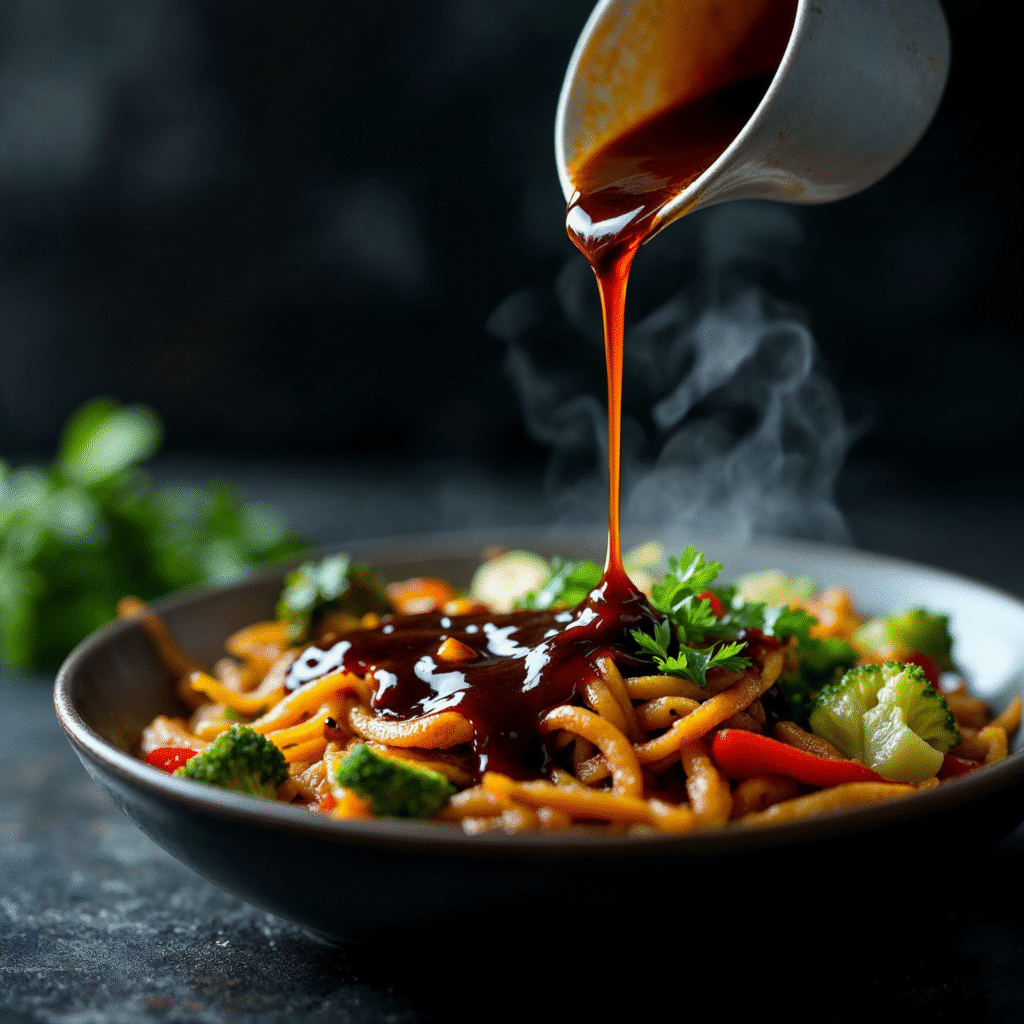
Soy sauce, a staple condiment across the globe, certainly provides a necessary salty and deeply savory counterpoint to many dishes. Consequently, creating an authentic vegan soy sauce involves understanding its core production method: the fermentation of soybeans and roasted grain. Traditional methods definitely require wheat, which presents a significant challenge for gluten-free diets. Therefore, modern cooking intelligently addresses this by adapting the process using alternatives like tamari or coconut aminos. Our method focuses on achieving that familiar, rich, mahogany color and potent umami flavor without any animal products or gluten. This amazing vegan sauce quickly becomes your preferred go-to base for all Asian-inspired cooking.
Wheat-Free Alternatives for a Gluten-Conscious Kitchen
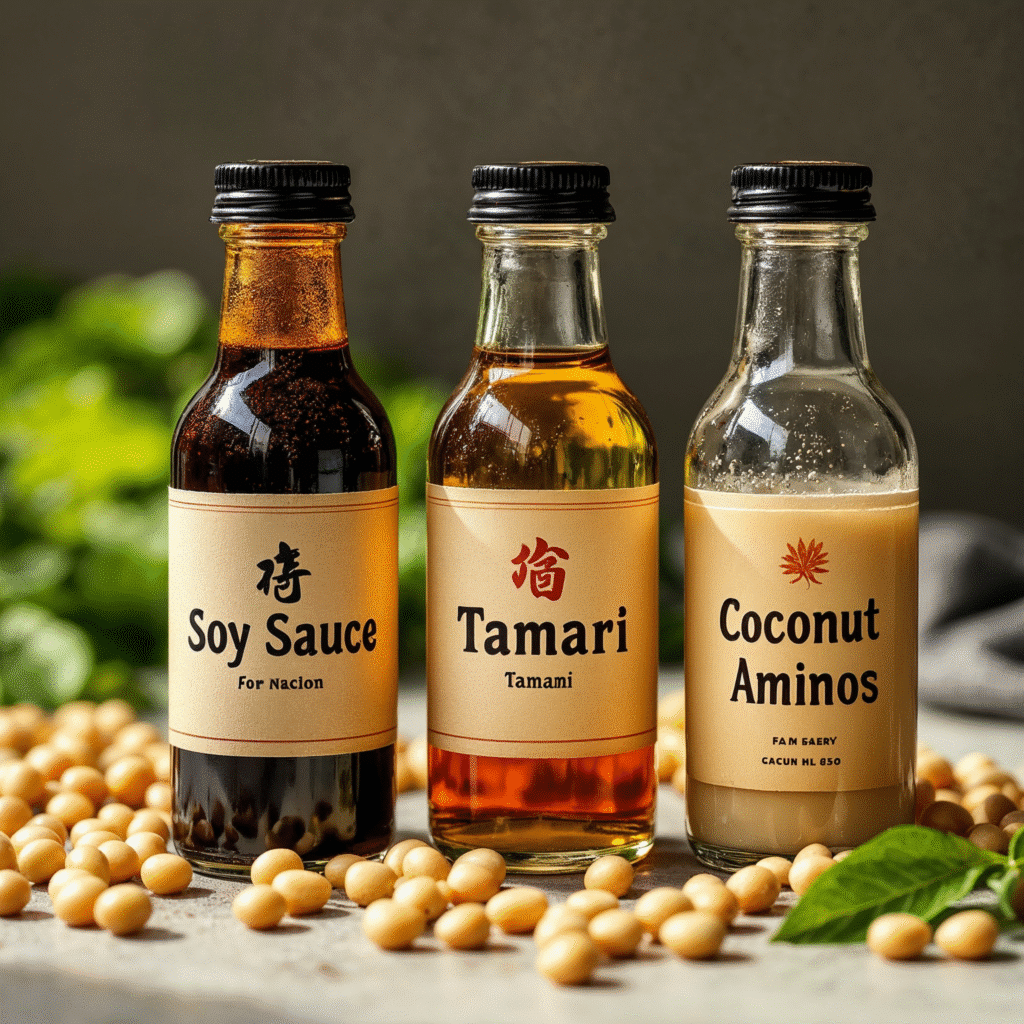
For individuals avoiding gluten, standard soy sauce creates a problem, since its recipe demands wheat. Fortunately, two excellent Vegan Sauces alternatives perform beautifully: tamari and coconut aminos. Tamari, a type of soy sauce, traditionally contains little or no wheat; manufacturers prepare it differently, which results in a naturally gluten-free product. Tamari often features a stronger, richer umami taste than standard soy sauce. In contrast, coconut aminos taste much milder and sweeter.
You draw this vegan sauce from the sap of coconut blossoms, blending it with salt and naturally fermenting it. Coconut aminos offer a fantastic, soy-free alternative, instantly reducing the sodium content significantly compared to typical soy sauce. When developing your vegan soy sauce, you select the ideal base depending on your desired depth of flavor and dietary needs. Both powerful options certainly offer great versatility in your kitchen .
The perfect vegan soy sauce certainly achieves a dark, almost translucent finish and a perfectly balanced salty taste. This perfect balance proves vital for any successful Asian-style cooking. First, you quickly create the desired depth of color by gently simmering a small amount of the liquid with caramel color or dark molasses. This simple step also adds a layer of subtle sweetness, balancing the sharp saltiness effectively. Then, adjusting the sodium level becomes truly crucial. Tamari naturally contains more salt than coconut aminos, so you precisely control the amount of water or other liquid you add to the mixture.
Furthermore, adding a touch of mushroom powder to the simmering liquid truly gives the vegan sauce an extra powerful, yet surprising layer of earthy richness. This important extra ingredient greatly helps mimic the deep flavor profile that traditional fermentation produces. Taste frequently during this simple process, since even a small excess of salt totally changes the final product. Your homemade Vegan Sauces deliver reliable results every single time .
Replicating Seafood Flavor in a Vegan Oyster Sauce Recipe
Oyster sauce acts as a powerhouse ingredient in many Asian dishes, lending a dark, thick, savory, and slightly briny flavor. Naturally, its traditional form certainly demands oyster extract. Therefore, developing a credible vegan oyster sauce recipe focuses exclusively on replacing that ocean flavor with potent, plant-based ingredients. Chefs universally agree that mushrooms perfectly mimic the required earthy umami, offering the ideal starting point. Our Vegan Sauces version truly creates a dark, sticky, beautiful glaze that successfully competes with the original, delivering a truly sensational, ethical alternative. This incredible vegan sauce certainly makes weeknight meals a true delight.
Mushroom Magic: Creating Depth with Fungi
The deep, meaty flavor of specific mushrooms perfectly stands in for the subtle brininess of oysters. Dried shiitake mushrooms certainly represent the MVP ingredient here. They release an incredibly complex umami flavor when you quickly rehydrate them. You absolutely must reserve the soaking liquid, since this dark, flavorful broth forms the base of the best vegan oyster sauce recipe. Further depth develops when you add miso paste or a dark soy sauce to this mushroom liquid. These additions beautifully layer the savory flavor, truly building a complexity that many cooks find difficult to match. Subsequently, reduce this liquid slowly on the stovetop. This long, gentle simmer concentrates the powerful umami, naturally creating a dark, syrupy consistency.
| Mushroom Type | Flavor Profile | Suggested Use |
| Dried Shiitake | Deep, meaty, rich umami | Broth base for this vegan sauce |
| Cremini | Earthy, mild, subtle savoriness | Chopped for texture in cream-based Vegan Sauces |
| Porcini | Strong, nutty, surprisingly intense | Powdered, added for rich, dark color |
Tang and Brine: Hitting the Ocean Notes
Achieving that signature briny tang poses the ultimate test for any successful vegan oyster sauce recipe. You certainly require a subtle touch of the sea without adding fishy elements. A small amount of crushed, dried seaweed, such as nori or kombu, immediately introduces that missing ocean flavor. You quickly simmer this seaweed in the mushroom broth base before straining it out. This method ensures you acquire the briny essence without retaining any unpleasant texture.
Furthermore, a dash of rice vinegar adds a clean, sharp finish, truly mimicking the classic oyster sauce profile. Finally, cornstarch thickens the sauce into that highly desirable, glistening glaze. You surely discover you often use this incredible sauce in place of all other stir-fry condiments, quickly becoming a true pillar of your complete Vegan Sauces collection. This recipe truly opens up an entirely new world of flavor for home cooks.
FAQ & Conclusion
Home cooks certainly look for clear answers when transitioning to new cooking methods. This section easily answers common questions many people ask about making and stocking Vegan Sauces in their kitchen.
Are store-bought Vegan Sauces truly safe for plant-based diets?
While manufacturers often label sauces as “vegan,” you must always check the complete ingredient list carefully. Many popular items, such as bottled ranch dressing or some Asian-style sauces, frequently contain unexpected non-vegan ingredients. For example, some brands add honey for sweetness, dairy derivatives for creaminess, or even fish sauce for umami flavor. Always thoroughly read the label to determine the product fully complies with your dietary needs. Making your own vegan sauce certainly offers the most reliable way to maintain complete control over all ingredients.
What substitutes make the best savory meat flavor in Vegan Sauces?
The goal involves successfully mimicking the complex savory depth, often called umami. High-quality miso paste consistently proves itself an outstanding replacement. Miso, fermented soybeans, delivers a rich, meaty flavor profile. Similarly, liquid smoke provides an amazing, smoky element frequently missing in homemade vegetarian sauces. Furthermore, finely ground dried mushrooms, especially shiitake or porcini powder, instantly deepen the entire flavor profile significantly. Combining these simple elements certainly gives your sauces true savory authenticity. You absolutely must learn to trust these powerful ingredients.
How long can I safely store my homemade Vegan Sauces?
You can safely store most homemade Vegan Sauces for at least 7-10 days in an airtight container inside the refrigerator. Sauces made with fresh, uncooked ingredients, such as basil pesto or a fresh vegan mayonnaise, typically keep for a shorter time, usually around 5 days. Conversely, vinegar- or oil-based vegan sauces, such as vegan BBQ sauce or hoisin, definitely last longer because of their natural preservative qualities. You certainly must label all containers clearly with the preparation date. Freezing offers another reliable alternative for most vegan sauces, preserving them for several months without much effort. You absolutely save money and time by preparing them in large batches.
Do Vegan Sauces contain fewer calories than their traditional counterparts?
Generally, Vegan Sauces boast a lower calorie count and substantially less saturated fat compared to their traditional counterparts. They replace heavy dairy cream with healthier vegetable purees and rich oils. However, always consider sugar and oil quantities closely. Many sweet or creamy vegan versions compensate for flavor loss by adding extra sugar or oil, drastically increasing the calorie content unexpectedly. Always prepare your own vegan sauce at home; this simple step gives you complete control over sweeteners and oils, allowing you to quickly manage the final nutritional value effectively. This level of ingredient control truly helps maintain a healthier diet.
Final Thoughts on Flavor
We certainly set out on this journey to prove that flavor and ethics truly coexist in the kitchen. Karen R. Miller certainly believes finding that singular MVP ingredient changes everything. We proved that plant-based food absolutely deserves bold, deep, and satisfying condiments. This amazing guide successfully provided four foundational vegan sauce recipes: savory BBQ, deeply rich hoisin, gluten-free soy, and briny oyster sauce. Mastering these delicious Vegan Sauces truly empowers you as a home cook. You now possess the powerful foundation to transform the humblest plant-based dish into something truly spectacular. Remember, consistency and high-quality ingredients matter most in the kitchen. Keep making those sensational meals and keep growing your knowledge about all vegan sauces.
Check out our pinterest !

1 thought on “Vegan Sauces: The Ultimate Guide to Flavorful Plant-Based Cooking”