
Donkey milk vs cow milk: an age old debate heating up kitchens and sparking curiosity! It’s one of those food face offs that make you stop and think. Donkey milk vs cow milk isn’t just about taste; it’s a dive into nutrition, history, and even skincare! My Louisiana roots never prepared me for this head to head comparison, but hey, I’m always up for a food adventure! Let’s explore these two very different milk alternatives and see what makes each one special.
Table of Contents

Why You Will Love This donkey milk vs cow milk Comparison
We’re tackling a fascinating subject! Ever since childhood, milk’s been a staple, right? But, as we grow, our tastes and nutritional needs evolve. That’s where alternatives like donkey milk come into play.
This comparison isn’t just about which tastes better. We’re diving into health benefits, ethical considerations, availability, and even the environmental impact. It’s about arming you with info to make the best choice for YOU and your family. Think of it as your cheat sheet to navigate the dairy aisle, or maybe the online specialty shop! This could be the perfect opportunity to explore Vegan Recipes To Lose Belly Fat.
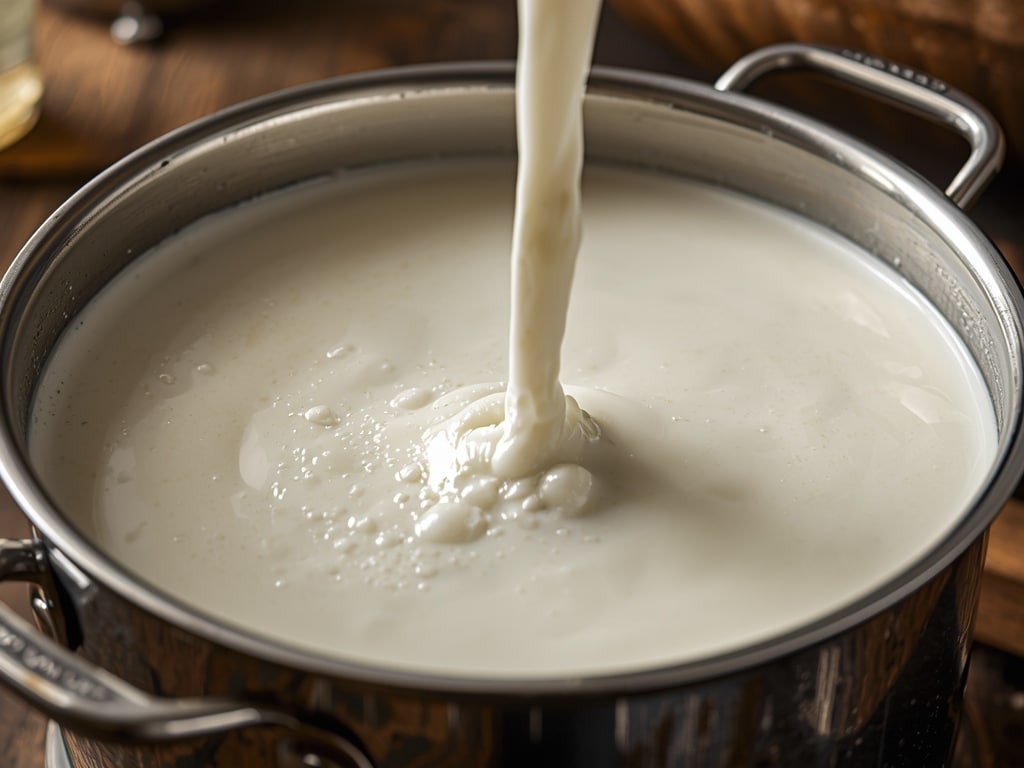
Understanding the Basics of Cow Milk
Cow milk: the familiar face in most refrigerators. It’s been a dietary cornerstone for generations, packed with protein, calcium, and essential vitamins. Dairy farms, from sprawling pastures to modern facilities, are a part of our agricultural landscape.
However, cow milk isn’t without its complexities. Lactose intolerance affects a significant portion of the population, and the environmental impact of dairy farming is a growing concern. Plus, some folks are just looking for something different!
Delving into the World of Donkey Milk
Donkey milk? It sounds a bit exotic, I know! But it’s been prized for centuries, especially for its potential health benefits and mild flavor. It’s said that Cleopatra herself bathed in donkey milk to preserve her beauty!
Donkey milk boasts a nutritional profile that closely resembles human breast milk, making it easily digestible and a potential option for infants with cow milk allergies (though consulting a pediatrician is ALWAYS crucial). However, donkey farming is far less common than cow farming, making it a rarer and often more expensive option.
donkey milk vs cow milk: Nutritional Showdown
Alright, let’s get down to brass tacks: the nutrition facts!
Here’s a general overview. Remember that actual values can vary slightly depending on the specific farm and feeding practices.
- Protein: Cow milk generally has a higher protein content than donkey milk.
- Fat: Both contain fat, but the type and amount can differ. Donkey milk is often lower in fat overall.
- Lactose: Donkey milk typically has less lactose than cow milk, potentially making it more tolerable for those with mild lactose sensitivity.
- Vitamins & Minerals: Both are good sources of vitamins and minerals like calcium, but their specific profiles vary. Here’s a way you could supplement any meal with Strawberry Jello Salad.
donkey milk vs cow milk: Taste and Texture
Okay, let’s talk taste! This is subjective, of course.
Cow milk has that familiar creamy texture and flavor we all know. Different breeds of cows and processing methods can affect the taste, but it’s usually slightly sweet.
Donkey milk is often described as having a milder, slightly sweet, and almost watery taste compared to cow milk. Some even say it has a hint of almond flavor. The texture is lighter and less creamy than cow milk. If you’re looking for a sweet snack, consider Budget Vegan Meals For Weight Loss!
donkey milk vs cow milk: Health Benefits and Concerns
Now to health! Both milks have potential benefits.
Cow milk is a great source of calcium, essential for bone health. It may also contribute to muscle growth and overall strength.
Donkey milk is easier to digest because of its composition. As well, its hypoallergenic characteristics may make it appropriate for you if you have sensitive skin.
However, concerns can arise. Cow milk allergies are common, particularly in infants. Plus, the saturated fat content in cow milk can be a concern for some. Donkey milk, while generally well tolerated, is not a complete substitute for breast milk for infants and shouldn’t be used without consulting a doctor.
donkey milk vs cow milk: Ethical and Environmental Considerations
Let’s be real: Food choices have an impact.
Large scale dairy farming can contribute to greenhouse gas emissions and water pollution. Sustainable dairy practices are becoming increasingly important.
Donkey farming is typically on a smaller scale, which can have a smaller environmental footprint.
However, the welfare of the animals is always a key consideration. Ethical farming practices are crucial, whether it’s cows or donkeys.
donkey milk vs cow milk: Availability and Price
Here’s where things get practical.
Cow milk is readily available in most grocery stores and supermarkets. You’ll find a wide range of options: whole, 2%, skim, organic, etc.
Donkey milk is much harder to find! You might need to search specialty stores, farmers markets, or order it online. Given its rarity, donkey milk is typically significantly more expensive than cow milk.
donkey milk vs cow milk: Uses in Cooking and Skincare
Beyond drinking, both milks have other applications.
Cow milk is a staple in countless recipes, from baking to sauces to smoothies. It’s also used in skincare products.
Donkey milk is gaining popularity in the beauty industry because of its moisturizing and anti aging properties. It can be found in soaps, lotions, and creams. While you can use it in cooking, its high cost often makes it a less practical choice.
Tips to Make This donkey milk vs cow milk Decision Easier
Okay, feeling overwhelmed? Here are a few tips to simplify your decision:
- Consider your dietary needs and allergies. Are you lactose intolerant? Do you have a cow milk allergy?
- Think about your budget. Are you willing to pay a premium for donkey milk?
- Reflect on your ethical and environmental values. Do you prefer to support smaller scale farming operations?
- Talk to your doctor or a registered dietitian. They can offer personalized advice based on your specific health needs.
Helpful Notes for This donkey milk vs cow milk Decision
Remember, there’s no one size fits all answer! The best choice for you depends on your individual needs, preferences, and priorities.
Do your research. Read labels carefully. Talk to your healthcare provider. And don’t be afraid to experiment!
Variation of This donkey milk vs cow milk Comparison
Consider exploring different types of cow milk! A2 milk, for example, is said to be easier to digest for some people. Plant based milks like almond, soy, and oat milk are also excellent alternatives.
And, if you’re intrigued by donkey milk, be sure to source it from a reputable supplier that prioritizes animal welfare.
What are the main differences between donkey milk and cow milk?
Donkey milk is lower in fat and higher in lactose than cow milk. It’s also closer in composition to human milk, which makes it potentially easier to digest.
Is donkey milk healthier than cow milk?
Donkey milk offers unique benefits like being hypoallergenic and having anti-inflammatory properties. However, cow milk is a good source of protein and calcium.
Why is donkey milk more expensive than cow milk?
Donkeys produce significantly less milk than cows, making it a rarer commodity. Additionally, donkey farming can be more labor-intensive, contributing to the higher price.
Can people with cow milk allergies drink donkey milk?
Some individuals with cow milk allergies tolerate donkey milk better because its protein structure is more similar to human milk. However, it’s best to consult a doctor before making the switch.
Conclusion
So, there you have it: a deep dive into the world of donkey milk vs cow milk. It’s a fascinating exploration filled with nutrition, history, and ethical considerations. Whether you’re drawn to the familiar comfort of cow milk or intrigued by the unique qualities of donkey milk, the most important thing is to make an informed choice that aligns with your needs and values. Now go forth and conquer that dairy aisle!