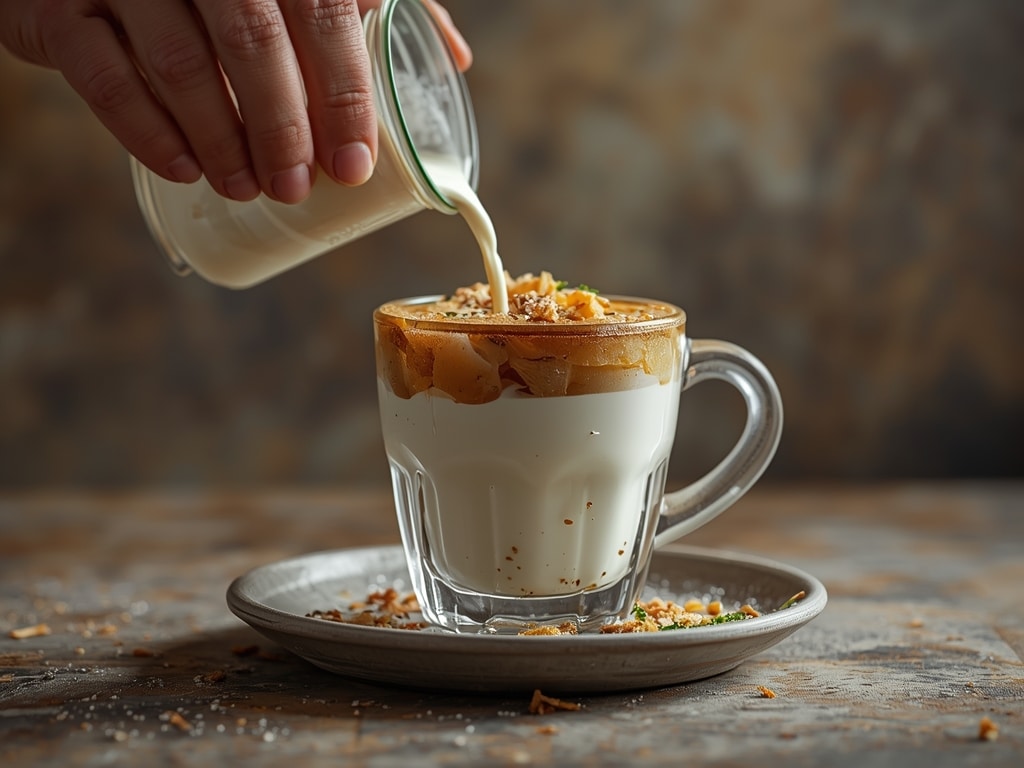
Drinking donkey milk isn’t something you hear about every day, is it? It sounds a bit… unusual. But trust me, there’s a whole world of fascinating facts and potential benefits surrounding this ancient beverage. I remember the first time I even *heard* of it; a friend was raving about its creamy texture and supposed health properties. It definitely piqued my interest, and now I’m here to spill all the details! Join me as we explore the intriguing world of drinking donkey milk.
Table of Contents
Why You Will Love This drinking donkey milk Journey
Alright, I know what you might be thinking: “Donkey milk? Really, Karen?” But before you click away, hear me out! Embarking on this drinking donkey milk discovery is like unlocking a secret level in the foodie game. It’s about venturing beyond the usual, embracing new flavors, and learning something new. Discovering new ingredients is always fun, check out this Strawberry Jello Salad recipe for another dish.
Plus, donkey milk boasts a unique nutritional profile that some people swear by. From its purported skin benefits to its gentle digestibility, there are many reasons to be curious. Think of this article as your friendly guide to understanding this unconventional ingredient. Who knows, you might just find your new favorite unusual addition!
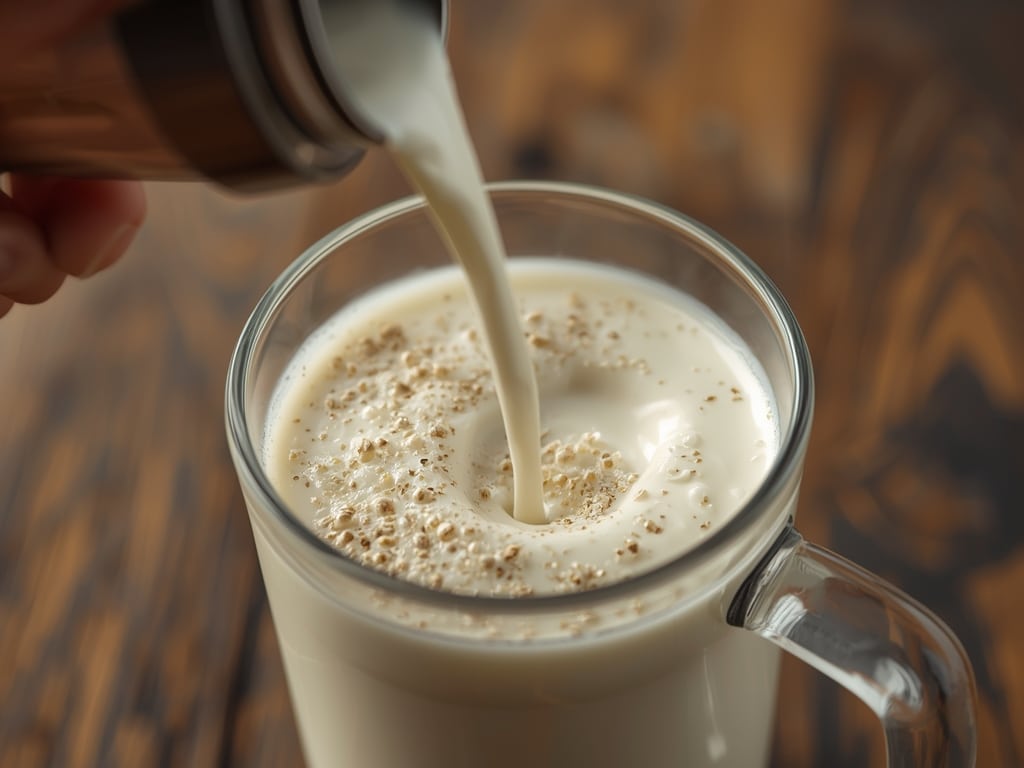
Ingredients Needed for This drinking donkey milk Exploration
Okay, so you can’t exactly *make* drinking donkey milk like you would a regular recipe. However, understanding what goes into this unique beverage is still key. Here’s what you need to know about the ingredients and properties of donkey milk:
- Pure Donkey Milk: Obviously, this is the star! Look for reputable sources that prioritize animal welfare and sustainable practices.
- Vitamins: Donkey milk is naturally rich in vitamins A, B, C, D and E.
- Minerals: Essential minerals like calcium, magnesium, phosphorus, and zinc are found in donkey milk.
- Proteins: It contains proteins with antimicrobial properties.
- Fatty Acids: Healthy fatty acids are present, contributing to its creamy texture.
- Lactose: Donkey milk contains lactose, so it may not be suitable for individuals with severe lactose intolerance.
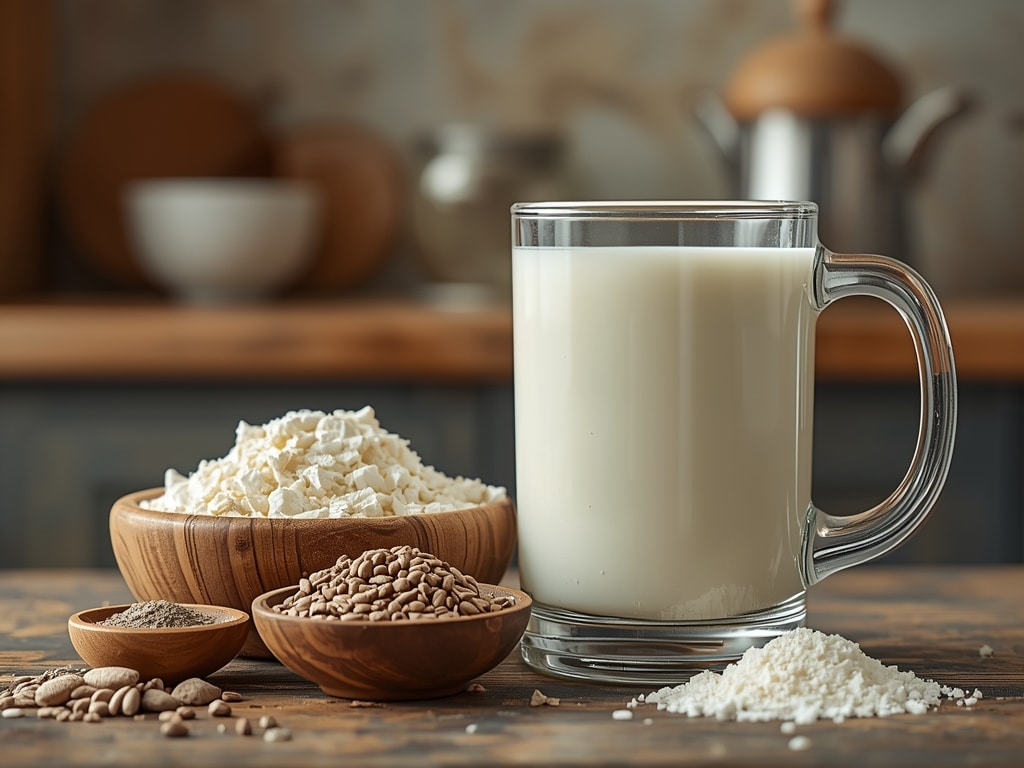
How to Make This drinking donkey milk Choice
Since you can’t exactly whip up a batch of donkey milk in your kitchen, “making” it actually refers to finding a high-quality source and incorporating it into your routine. Think of these as steps to ensuring a positive experience:
- 1. Research Suppliers: Look for farms prioritizing ethical treatment and sustainable practices. Check reviews and certifications.
- 2. Consider Forms: Donkey milk is available fresh, frozen, or powdered. Choose the form that best suits your needs and storage capabilities.
- 3. Start Small: If you’re new to donkey milk, start with a small amount to see how your body reacts. Perhaps a few ounces at first.
- 4. Incorporate it Strategically: Add it to smoothies, coffee, or enjoy it on its own. It’s all about finding what works for you.
- 5. Store Properly: If using the fresh variety, consume it promptly. Follow storage instructions provided by your supplier for other forms.
How to Serve This drinking donkey milk
Serving donkey milk is simple, but a few suggestions can enhance the experience.
- Chilled: Enjoy it cold for a refreshing taste.
- Smoothies: Blend it with fruits and vegetables for a nutritious smoothie.
- Coffee/Tea: Use it as a milk alternative. It adds creaminess and a unique flavor.
- Plain: Drink it straight to appreciate its delicate flavor profile.
- With Honey: Add a touch of honey to sweeten it if desired.
How to Store This drinking donkey milk
Proper storage is key to maintaining the quality and freshness of donkey milk.
- Refrigeration: Fresh donkey milk should be refrigerated immediately and consumed within a few days.
- Freezing: If you can’t use it right away, freezing is a good option. Thaw it in the refrigerator before using.
- Powder: Powdered donkey milk should be stored in a cool, dry place, away from direct sunlight. Follow the product’s storage guidelines.
Tips to Make This drinking donkey milk Journey Successful
Here are a few helpful tips to make your experience with drinking donkey milk a positive one:
- Source Carefully: Always choose a reputable supplier who prioritizes animal welfare.
- Taste Test First: If possible, try a small sample before committing to a larger purchase.
- Read Labels: Pay attention to ingredients and potential allergens.
- Moderate Consumption: Start with small servings to see how your body reacts.
- Consult Your Doctor: If you have any health concerns, consult your doctor before trying donkey milk. Vegan options are also available, check out these Vegan Recipes To Lose Belly Fat.
Helpful Notes for This drinking donkey milk
- Flavor: Donkey milk has a mild, slightly sweet flavor that is subtly different from cow’s milk.
- Availability: Donkey milk can be more difficult (and expensive) to find than other types of milk.
- Animal Welfare: Always support suppliers who prioritize the humane treatment of donkeys.
- Nutritional Value: Donkey milk is often touted for its nutritional benefits, so do your research. Don’t stop there and also check out Budget Vegan Meals For Weight Loss.
Variation of This drinking donkey milk
While “variations” might not apply in the traditional recipe sense, consider these creative modifications:
- Flavored Donkey Milk: Infuse donkey milk with flavors like vanilla or cinnamon.
- Donkey Milk Yogurt: Some suppliers make yogurt from donkey milk.
- Donkey Milk Soap: While not for drinking, donkey milk soap is a popular skincare product.
- Mix it in Baking: Use donkey milk in baking in lieu of milk.
What are the potential health benefits of drinking donkey milk?
Donkey milk is known for its hypoallergenic properties and nutrient-rich composition, often compared to human breast milk. It is rich in vitamins, minerals, and essential fatty acids, potentially boosting immunity and promoting gut health.
What does donkey milk taste like?
Donkey milk has a mild, slightly sweet, and creamy flavor profile. Some find it more palatable than cow’s milk, particularly due to its lower fat content.
Is drinking donkey milk safe?
Generally, drinking donkey milk is considered safe for most people. However, individuals with lactose intolerance or allergies to dairy products should exercise caution and consult with a healthcare professional.
Where can I buy donkey milk?
Donkey milk is not as widely available as other types of milk. It can sometimes be found at specialty farms, online retailers, or through direct contact with donkey milk producers.
Conclusion
So, there you have it a deep dive into drinking donkey milk! It’s definitely a unique ingredient with a fascinating story, and perhaps some potential benefits. Whether you are drawn to the purported nutritional properties or simply curious about trying something new, I hope this article has provided you with valuable insights. Give drinking donkey milk a try if you found something compelling here!